Concrete Retaining Walls in Erie, PA
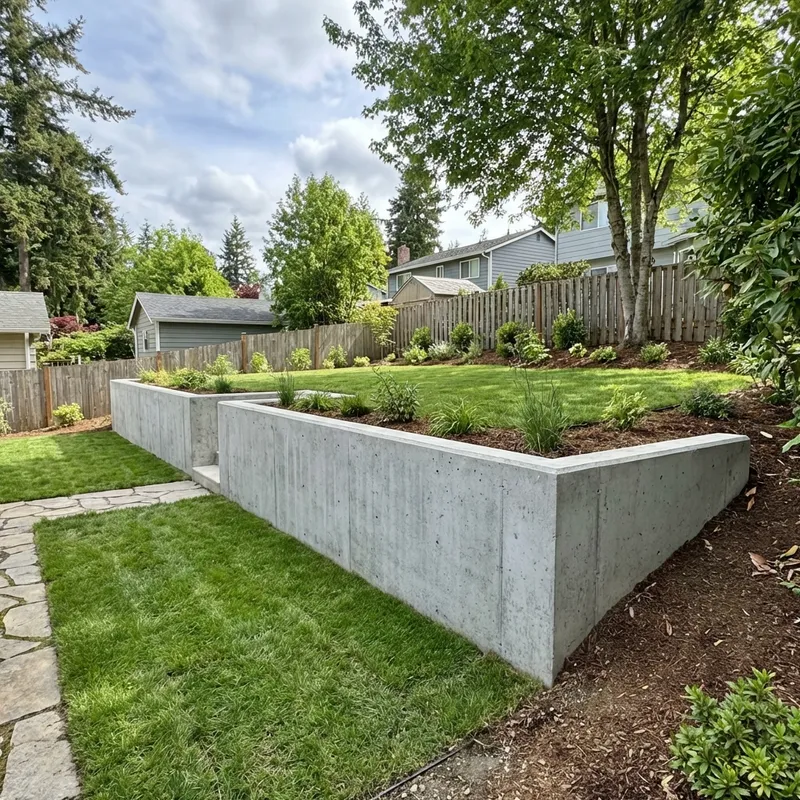
Erie Superior Concrete designs and builds concrete retaining walls throughout Erie, PA engineered for the specific challenges of Erie's terrain — heavy clay soils, significant hydrostatic pressure, a 40-inch frost depth, and persistent moisture from Lake Erie weather patterns. We build walls that hold.
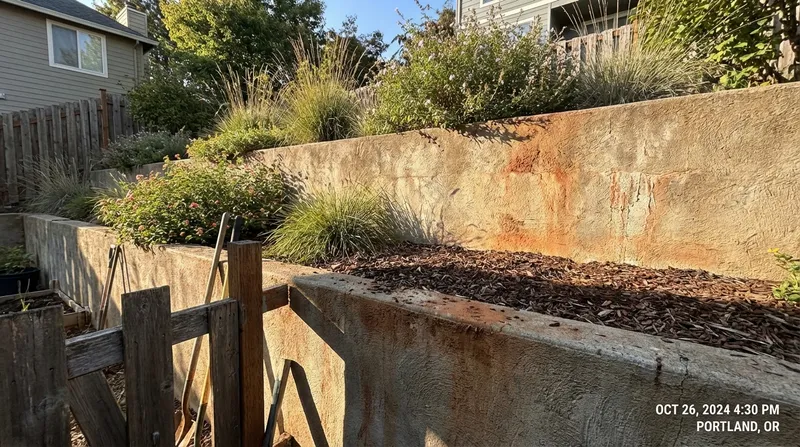
Retaining walls in Erie must manage more than just gravity. Saturated clay soils in spring exert lateral pressure that failures inadequate walls. Our walls include engineered drainage systems, proper footing depth below frost line, and reinforcement designed for the actual soil conditions on your site — not generic specs.
Get a Free EstimateWhy Erie Retaining Walls Require Engineering
Erie sits on glacial lake plain soils — heavy clay with high moisture retention. When these soils freeze and thaw through northwestern Pennsylvania's winter cycle, they expand and contract significantly. A retaining wall without proper drainage and below-frost footings will heave, tilt, and eventually fail — often within 3–5 years.
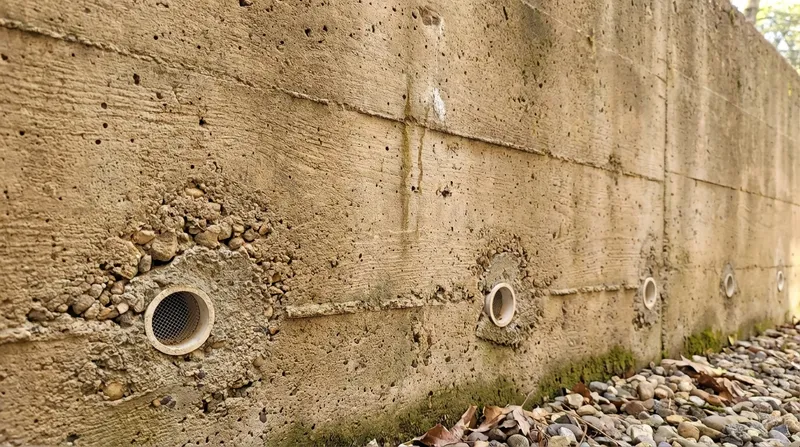
We design Erie retaining walls with continuous drainage aggregate behind the wall, perforated pipe at the footing level to relieve hydrostatic pressure, weep holes at regular intervals for surface drainage, and footings at the proper depth for our local frost conditions. These details are what separate walls that last from walls that fail.
Drainage Systems
Every retaining wall we build includes a compacted drainage aggregate layer behind the wall face, perforated drain pipe at footing level, and weep holes through the wall base. Relieving hydrostatic pressure is the single most important factor in retaining wall longevity in Erie's high-moisture environment.
Frost-Depth Footings
PA code requires footings below 40 inches in Erie County. We pour retaining wall footings at this depth or deeper depending on site conditions. Walls with footings above frost line will heave with every freeze cycle — we don't cut corners on footing depth regardless of wall height.
Reinforced Concrete Construction
We form and pour cast-in-place concrete retaining walls with rebar reinforcement sized to the wall height and soil loading. Taller walls require heavier reinforcement and wider footings — we calculate these based on your specific wall geometry and site soil conditions, not by guesswork.
Hillside & Slope Stabilization
Erie's creek ravines, hillside lots, and graded residential properties frequently require retaining walls to prevent soil erosion and manage grade changes. We assess hillside conditions, soil type, and drainage patterns before designing walls to ensure the solution is appropriate for the actual forces involved.
Concrete vs. Block Retaining Walls
Segmental retaining wall blocks are popular because they're faster to install. Cast-in-place concrete retaining walls take more labor and forming but deliver superior structural integrity, particularly for walls over 4 feet and sites with heavy clay soil loading. Concrete walls have no joints that can shift, no units that can dislodge, and can be reinforced to handle higher loads.
For property boundary walls, tiered retaining systems, walls adjacent to driveways or parking areas, and any wall over 3–4 feet, we recommend poured concrete. The additional cost is justified by the structural performance and longevity in Erie's soil and climate conditions.