Concrete Foundation Services in Erie, PA
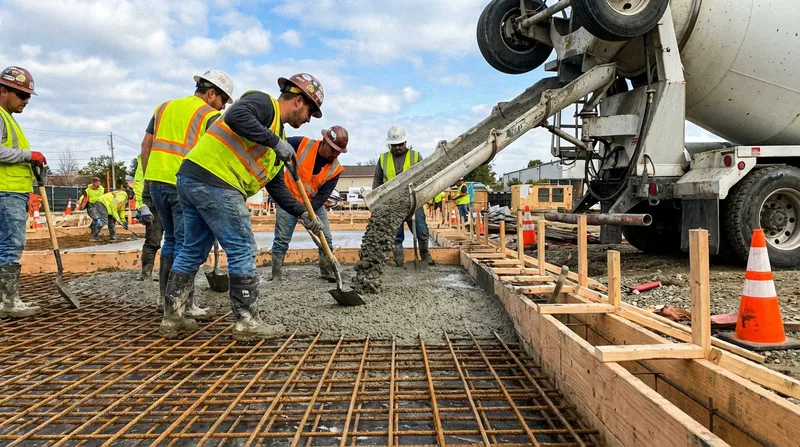
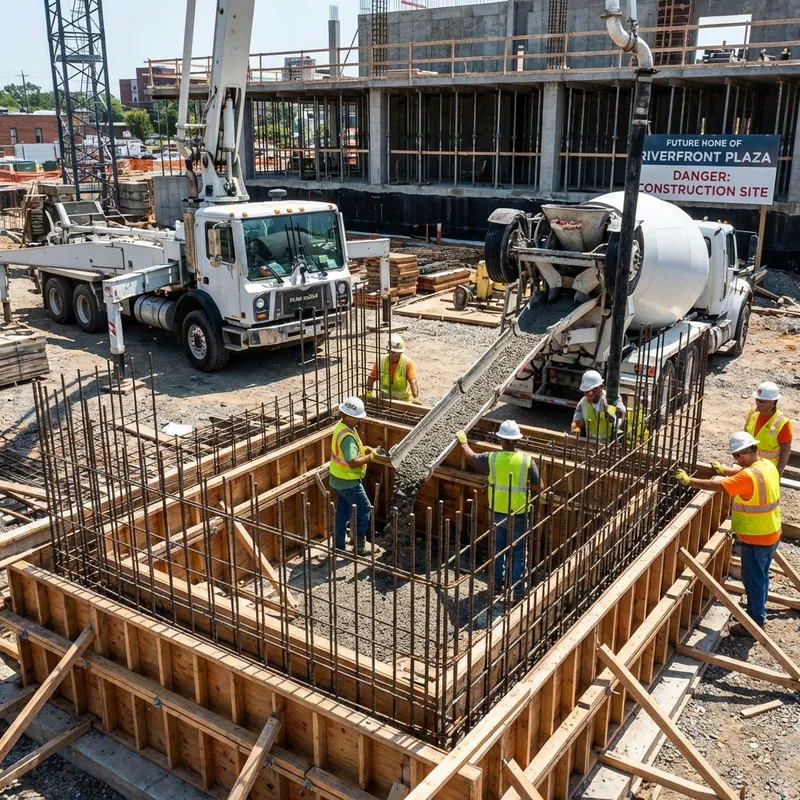
Erie Superior Concrete pours concrete foundations in Erie, PA engineered for Erie's 40-inch frost depth, clay-heavy soils, and high water table conditions common near Lake Erie. We install poured concrete basement walls, slab-on-grade foundations, strip footings, crawl space walls, and piers for residential and commercial structures.
Foundation work is not a place to cut corners. Mistakes at this stage create structural problems that are extremely costly to correct — and in Erie's climate, moisture and frost stress make improperly poured foundations fail faster than anywhere with milder conditions. We do foundations right the first time.
Get a Free EstimateConcrete Foundation Options for Erie Properties
Erie's frost line depth requires all foundation footings to extend below 40 inches to prevent frost heaving — the upward movement of soil as ground water freezes and expands. Footings poured above frost depth will move, crack, and eventually compromise the structure above them.
We pour foundations for new home construction, home additions, garages, accessory dwelling units, and commercial new builds. Every foundation system is reinforced to code, waterproofed at the pour stage, and sized to carry the structural loads of your specific project.
Below Frost Line Footings
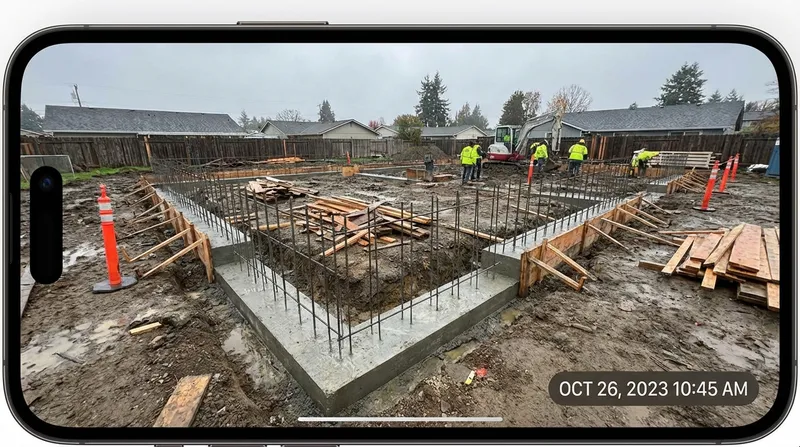
All footings are poured below Erie's 40-inch frost depth with no exceptions. Footings are sized for the structural loads they carry and reinforced with rebar tied to the wall system above. This is the structural base everything depends on.
Poured Concrete Walls
Poured concrete walls are stronger and more waterproof than block masonry. We use engineered forms with ties that maintain wall thickness, vibrate the concrete for full consolidation, and tie horizontal and vertical rebar in engineered patterns to resist lateral soil pressure.
Waterproofing Integration
Near Lake Erie, high water tables and heavy precipitation make waterproofing a necessity, not an option. We apply dampproofing or full waterproofing membrane at the concrete stage, install perimeter drainage and sump systems, and backfill with drainage aggregate — addressing moisture from every angle.
Code Compliance
All foundation work is done to Pennsylvania Uniform Construction Code standards and Erie County requirements. We coordinate with building inspectors at required inspection stages. Permits, inspections, and proper documentation are handled throughout the project.
Why Erie Foundations Demand Special Attention
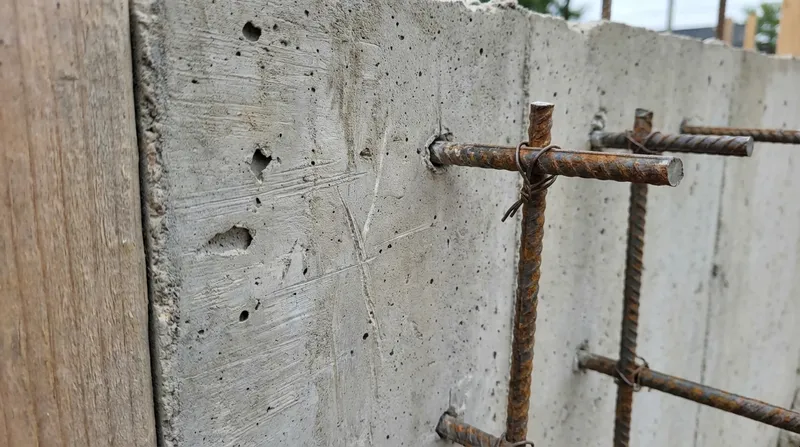
Erie's combination of deep frost, proximity to Lake Erie's water table, and heavy clay soils creates one of the most demanding foundation environments in Pennsylvania. Clay soil retains water, which expands dramatically when frozen — placing enormous lateral pressure on foundation walls.
A foundation that performs well in southern PA or a warmer climate may not have the wall thickness, reinforcement, or waterproofing to handle Erie's specific conditions. We size every foundation system for the actual conditions at your site, not a generic specification.
Our Foundation Installation Process
1. Site Review and Engineering
We review soil conditions, frost depth requirements, structural loads, and site drainage before specifying the foundation system. For significant projects, we work with engineers to produce stamped drawings for permit submission.
2. Excavation
We excavate to the required footing depth — well below Erie's frost line — and establish the perimeter layout. Excavation is done carefully to avoid disturbing adjacent structures and to maintain the site for safe operations throughout construction.
3. Footing Pour
Footings are formed, reinforced, and poured to specified dimensions. We request inspections at the footing stage before proceeding. Footing concrete is allowed to achieve adequate strength before wall forming begins.
4. Wall Forming and Pour
Wall forms are set to specified thickness, rebar placed at engineered spacing, and concrete poured with vibration for complete consolidation. We carefully control pour lifts to prevent form blowout and ensure uniform wall density.
5. Waterproofing and Backfill
After stripping forms and cure, waterproofing membrane and drainage board are applied to the exterior walls. Perforated drain tile is installed at the footing. Backfill is drainage aggregate to specified depth before final native soil backfill.